Cost Considerations for Pool & Hot Tub Installation
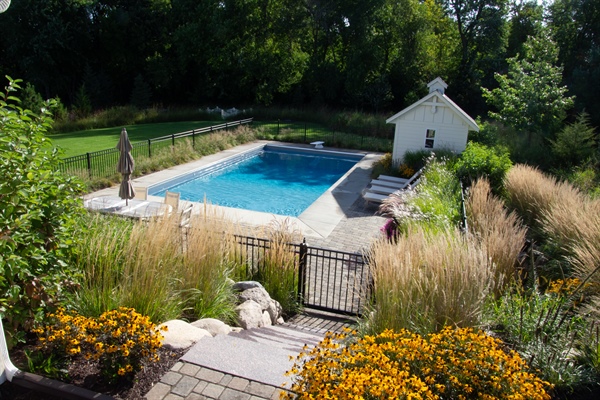
Building a custom pool or hot tub is a major investment, often driven by the desire to enhance lifestyle, increase property value, or create a personal retreat just steps away from your home.
But beyond the allure of sparkling water and relaxing hydrotherapy jets lies a complex matrix of costs and considerations. From the first design sketch to the final tile, knowing what factors drive pricing can help avoid budget overruns and unpleasant surprises.
Whether you’re dreaming of a serene spa oasis or an entertainer’s backyard paradise, understanding cost influences is the key to successful planning.
Natural Environments Corp has supported numerous homeowners across Minneapolis in navigating this process, from custom builds to expert landscaping that ties everything together.
In this article, we’ll explore the major elements that impact your budget. These insights aim to help you make informed decisions and get the most from your pools and hot tub project.
How Design Choices Influence the Overall Cost of a Custom Pool or Hot Tub
Design elements have a direct and substantial impact on the final price of a custom pool or hot tub project. Basic decisions—like size, shape, depth, and material selection—immediately affect costs due to labor requirements, materials, and time.
For example, freeform or kidney-shaped pools require more detailed excavation, framing, and specialized materials compared to rectangular pools. The selection of surface finishes—such as plaster, tile, or pebble aggregate—also plays a major role, with premium finishes increasing both cost and installation time.
Added features significantly increase costs as well. Waterfalls, tanning ledges, integrated spas, custom lighting, automation systems, or fire features each introduce additional plumbing, electrical, and control systems. Even something as subtle as tile mosaics or custom coping affects labor and materials.
Complex hardscaping and integrated landscaping also contribute heavily to final expenses. Permitting, drainage plans, and elevation changes often require professional engineering, adding to design phase costs before construction even begins.
Ultimately, a pool or hot tub’s design must align with your aesthetic goals and functional requirements while respecting your budget. This balance becomes clearer when working with professionals who specialize in custom pools and hot tub installations and understand how specific choices influence cost throughout the construction process.
Uncovering the Hidden Expenses of Pool & Hot Tub Ownership
Beyond the upfront installation, many homeowners are surprised by the long-term costs associated with owning a pool or hot tub. Regular maintenance is one of the most overlooked areas.
Chemical balancing, filtration system upkeep, winterization, and professional cleaning services quickly add up. Energy usage from pumps, heaters, and lights increases utility bills, especially for heated spas and pools with advanced circulation or sanitation systems.
Insurance costs may rise, especially if safety features like fencing or covers are not compliant with local regulations. Homeowners might also need to update policies to cover liability or structural additions.
Water usage is another ongoing cost, particularly in areas with seasonal drought restrictions or metered supply. Evaporation and splash-out losses mean frequent top-offs, which can add up annually.
Repairs and replacements are inevitable over time. Pool liners, heaters, automation controls, and filtration systems degrade and need attention. Some repairs are minor, but others—like resurfacing or replacing mechanical components—can be significant.
Considering these costs upfront allows homeowners to plan better and assess total lifecycle ownership costs within their overall outdoor living investment.
Comparing Financing Options Across Installation Types
Financing options for pools and hot tubs vary widely depending on the scope of the project, the contractor, and your financial situation. For high-cost installations, homeowners often use secured home improvement loans or home equity lines of credit (HELOCs).
These options typically offer lower interest rates but require equity in the property. Lenders may evaluate the long-term value added to the home and the borrower’s credit score before approval.
Unsecured personal loans are another avenue. While they don't require equity, they often come with higher interest rates and shorter repayment periods. These are more common for above-ground or prefabricated spa installations, where total costs are lower.
Manufacturer-backed financing programs can also offer promotional interest rates or deferred payment plans, particularly for standardized models from major brands. Some contractors may partner with specialty lenders to streamline the process.
Cash-out refinancing and FHA Title I loans may be suitable for larger projects involving major property improvements, but these carry long-term implications.
Choosing the right financing method depends on cost, term flexibility, and expected ROI. Since installation complexity and total investment vary, each financing decision should be tailored to the project type and financial goals.
Measuring ROI for Pools & Hot Tubs on Residential Properties
Geographic location and neighborhood standards influence the return on investment for pools and hot tubs, as does how well the installation integrates with the property.
In warmer climates or competitive housing markets, an in-ground pool can increase home value and attract buyers. However, ROI is not always dollar-for-dollar; emotional return, entertainment value, and lifestyle enhancement often outweigh raw financial gain.
Permanent, high-end installations that match the home's design and provide visual continuity, such as integrated spas, custom decks, or architectural landscaping, tend to yield higher returns.
Pools that require minimal maintenance and include safety features are also more appealing to potential buyers. Conversely, features that increase ongoing maintenance or reduce usable yard space may reduce appeal to future homeowners.
Appraisers generally estimate ROI for pools between 7% and 15% of the home’s value, with hot tubs returning slightly less unless built-in or architecturally tied to the structure. However, ROI is often realized through enhanced quality of life, outdoor living functionality, and curb appeal improvements, rather than direct monetary profit.
Budgeting for Long-Term Maintenance & Repairs
Proper budgeting for maintenance and potential repairs begins with understanding typical annual upkeep. Most in-ground pools require chemical balancing, filter changes, surface cleaning, and energy costs associated with pumps and heaters.
These recurring expenses can total several hundred to thousands of dollars per year, depending on pool size, equipment quality, and seasonal usage. Budgeting for these predictable costs is critical to long-term enjoyment and avoiding deferred maintenance.
Longer-term repairs—like pump replacement, liner resurfacing, or automation panel failures—can be costly if unplanned. It’s recommended to allocate a separate reserve for unexpected repairs every 3–5 years, especially once warranties expire.
Owners may also invest in equipment upgrades over time, such as switching to variable-speed pumps or saltwater chlorination systems, which can carry higher upfront costs but deliver long-term savings.
Scheduled inspections, regular professional servicing, and investing in quality components at the outset can all help reduce long-term repair costs. Homeowners should treat maintenance as part of the project’s lifecycle cost and include it in the initial budget planning. This approach enables informed decisions and better overall financial management when working with Natural Environments Corp.
How Natural Environments Corp Can Help with Custom Pool & Hot Tub Installations
When you're considering a custom pool or hot tub, navigating costs, materials, design options, and long-term responsibilities can be overwhelming. That's where Natural Environments Corp steps in—with decades of expertise and a commitment to quality, we bring clarity and precision to the process.
Natural Environments Corp serves homeowners with tailored outdoor living solutions that seamlessly integrate pools, hot tubs, and custom landscapes. Our transparent planning process helps homeowners understand up-front pricing, long-term maintenance, and available upgrade paths before the first shovel hits the ground.
If you're ready to transform your yard and want expert guidance on installation costs, maintenance budgeting, or design planning, request a quote from Natural Environments Corp today. Call 763-544-8002 to begin planning your dream pool or hot tub with confidence.