How Climate & Soil Conditions Shape Landscape Design in the Twin Cities
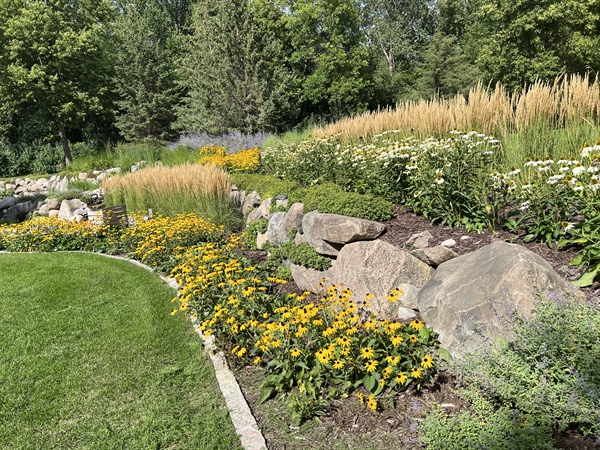
The Twin Cities present a dynamic mix of climate and soil conditions that greatly influence landscape design. From long, icy winters to warm, humid summers, Minnesota’s climate demands a smart, adaptable approach to outdoor spaces.
Likewise, the region’s wide-ranging soil types—clay-heavy in some areas, sandy or loamy in others—can make or break a landscape if not properly accounted for during the planning phase. Designing for these variables isn’t just about aesthetics—it’s about durability, sustainability, and functionality.
The nuances of the local environment shape every project that Natural Environments Corp takes on. Landscape designers in Minneapolis–Saint Paul must account for freezing temperatures, variable rainfall, and intense summer sun when choosing materials, plants, and construction methods.
When done right, the result is a landscape that holds up beautifully across seasons and stands the test of time. The Twin Cities offer unique opportunities for creative, practical design when climate and soil are properly leveraged from the start.
Each section in this article is packed with insights that will help you understand how to build smarter, longer-lasting landscapes in Minnesota’s challenging conditions. For more information on professional landscape planning, visit our landscape design page.
Native Plants That Thrive in the Twin Cities Climate
Successful landscape design in the Twin Cities depends heavily on plants that can survive its dramatic seasonal shifts. Native plants are not only well-adapted to the cold winters and humid summers of Minnesota, but they also require less irrigation, fertilization, and overall maintenance.
Some of the most reliable native perennials include Purple Coneflower (Echinacea purpurea), Wild Bergamot (Monarda fistulosa), and Black-Eyed Susan (Rudbeckia hirta). These species are drought-resistant, resilient to local pests, and contribute to biodiversity by attracting native pollinators.
Trees and shrubs also play a critical role. Serviceberry (Amelanchier), Red Twig Dogwood (Cornus sericea), and Bur Oak (Quercus macrocarpa) offer structure and visual interest throughout the year. These species are deep-rooted and compatible with the local soil types, improving soil stability and minimizing the need for chemical inputs.
Designers often incorporate native grasses like Little Bluestem (Schizachyrium scoparium) and Prairie Dropseed (Sporobolus heterolepis) to create naturalistic landscapes that blend seamlessly with the regional environment.
Utilizing native plantings is a best practice embraced by firms like Natural Environments Corp, who incorporate these selections into functional and sustainable landscape design strategies. The result is a visually compelling and ecologically sound outdoor space that stands the test of time in Minnesota's climate.
Designing Irrigation Systems to Match the Local Climate
In the Twin Cities, rainfall patterns can fluctuate significantly between dry periods and heavy downpours. Designers must adapt irrigation systems to these variable conditions to avoid both drought stress and overwatering.
Smart irrigation technology—like weather-based controllers and soil moisture sensors—has become essential. These systems adjust watering schedules based on local climate data and on-the-ground conditions, reducing waste and protecting plant health.
Drip irrigation systems are often preferred for targeted watering, particularly in planting beds with perennials, shrubs, or native species. These systems deliver moisture directly to the root zone, minimizing evaporation and runoff.
For lawns and larger open areas, pressure-regulated sprinkler heads and zoned systems that accommodate varying sun exposures are commonly employed. Seasonal system adjustments are necessary to accommodate the spring thaw and fall blowout, ensuring long-term reliability.
Local landscape professionals incorporate these tools within custom landscaping plans that are tailored to the micro-conditions of each site. With proper calibration, these systems maintain healthy vegetation while aligning with water conservation goals and municipal regulations across the Twin Cities.
Soil Treatments to Address Common Landscape Problems
The Twin Cities region features a variety of soil types, ranging from dense clay to loose sandy loam. Each type presents different challenges for landscape design and plant performance.
Clay soils, common in many metro areas, retain water and often lead to root rot and compaction. Sandy soils, on the other hand, drain too quickly and may lack nutrient-holding capacity. Addressing these issues often requires a combination of organic amendments, drainage strategies, and mechanical intervention.
In clay-heavy soils, incorporating compost or aged pine bark improves porosity and nutrient cycling. For sandy or low-organic soils, designers often mix in compost and peat to increase moisture retention and fertility.
Soil testing is a critical first step, guiding the addition of lime or sulfur to adjust pH as necessary for optimal plant uptake. Erosion-prone sites may require topdressing or coir blankets to stabilize surface soils until vegetation becomes established.
These treatments are foundational to long-term success. Without addressing soil structure and chemistry, even the best plant selections and hardscaping can fail. Landscape architects and contractors must prioritize soil health as an active component of design, not just an afterthought in installation.
Microclimate Considerations in Plant & Material Selection
Microclimates—localized zones where temperature, moisture, wind, or sunlight differ from the surrounding area—can have a dramatic impact on landscape design. In the Twin Cities, these variations often result from built structures, elevation changes, and surface materials.
For example, south-facing walls create warm pockets that support less cold-hardy plants, while shaded northern exposures might retain snow cover well into spring. Understanding these nuances allows designers to fine-tune plant and material selection.
Materials like concrete, stone, and dark-colored pavers absorb and radiate heat, raising nearby air temperatures and influencing which plants will thrive in those zones.
Windbreaks formed by trees or fencing can reduce desiccation during winter months, while proximity to bodies of water may increase humidity and buffer extreme temperature swings.
Designers frequently analyze these factors during site evaluation to group plants by their ideal conditions and prevent overexposure or failure.
These microclimate considerations extend beyond horticulture. Hardscape choices—including which pavers resist frost heave or which retaining walls control snowmelt flow—must align with site-specific conditions.
Failure to account for such details can result in costly repairs or premature wear. Thorough analysis ensures that every element—from vegetation to structure—functions optimally year-round.
Strategies for Erosion Control & Drainage Management
Erosion and drainage issues are common throughout the Twin Cities due to seasonal freeze-thaw cycles, heavy rainfall events, and sloped terrain. Without proactive management, these factors can undermine plantings, damage hardscape, and lead to significant maintenance costs.
One of the most effective solutions is the use of engineered swales, dry creek beds, and rain gardens that slow, capture, and filter runoff before it leaves the property.
Strategically placed boulders and rip rap—often seen in shoreline restoration projects—provide structural reinforcement for areas with persistent washout or slope instability.
On flat or compacted sites, French drains and permeable pavers improve infiltration and reduce standing water. Native groundcovers such as wild ginger or sedges can help bind loose soils, while erosion-control matting stabilizes disturbed ground during the early establishment phase of new plantings.
Designers must evaluate both surface and subsurface water movement as part of the design process. A grading plan integrated with planting and hardscaping not only preserves landscape aesthetics but also ensures structural integrity.
These site-specific solutions are especially important in neighborhoods prone to runoff or those adjacent to wetlands or water bodies—scenarios frequently encountered by Natural Environments Corp in their Minnesota projects.
Partner with Natural Environments Corp to Design for Minnesota’s Landscape Challenges
Designing landscapes that succeed in the Twin Cities takes more than creativity—it demands technical precision, regional knowledge, and sustainable solutions.
At Natural Environments Corp, our award-winning design team and plant specialists bring decades of experience navigating the challenges posed by Minnesota’s diverse soils and unpredictable climate.
Whether you need a resilient native garden, a custom drainage solution, or an irrigation system that responds to real-time weather changes, our team brings together vision and execution to build landscapes that last.
We approach every project with careful site evaluation, material expertise, and a deep understanding of local conditions—from soil chemistry to microclimate dynamics. Our installations not only look beautiful, but they also perform reliably throughout the year.
Connect with us at 763-544-8002 or request a quote to begin transforming your property with trusted expertise and award-winning craftsmanship.