Irrigation, Drainage, and Design Considerations
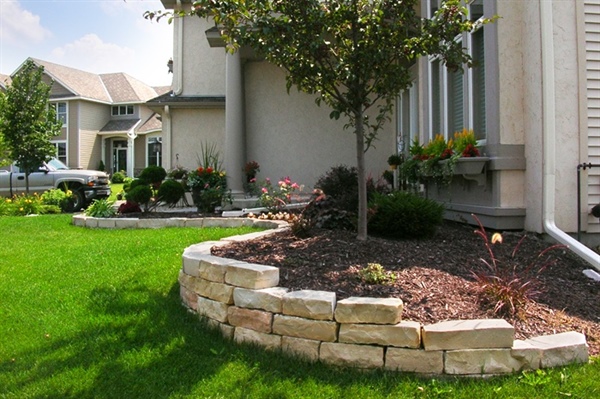
Climate and soil conditions in the Twin Cities create a unique set of challenges and opportunities for outdoor environments. With long, cold winters, fluctuating precipitation levels, and a wide range of soil types—from heavy clay to sandy loam—every landscape decision must be grounded in environmental reality. Successful outdoor spaces in this region are not only visually appealing but also built to perform under these specific conditions. Thoughtful landscape design considers plant selection, drainage behavior, and seasonal durability to ensure long-term performance.
Natural Environments Corp. has worked within these regional constraints for decades, developing landscapes that respond directly to Minnesota’s climate and soil composition. This article explores key considerations that shape effective design decisions, including which native plants perform best, how irrigation systems are adapted, and what soil treatments are necessary to correct common issues. It also examines how microclimates influence material and plant choices, and how professionals address erosion and drainage challenges. Each of these factors plays a critical role in creating landscapes that are both resilient and functional in the Twin Cities environment.
Native Plants That Thrive in Twin Cities Climate and Soil Conditions
The Twin Cities region falls within USDA Hardiness Zones 4a to 5a, which imposes strict limits on plant survivability. Native plants adapted to these zones have evolved to tolerate extended freezing periods, rapid spring thaws, and periodic summer drought. Species such as little bluestem, prairie dropseed, purple coneflower, and black-eyed Susan demonstrate strong resilience because they are adapted to local precipitation cycles and soil structures. Deep root systems allow these plants to access subsurface moisture, which reduces reliance on irrigation.
Soil composition across Minneapolis and surrounding areas often includes clay-heavy soils that retain moisture but can restrict root oxygen. Native plants suited to these conditions, including swamp milkweed and wild bergamot, can tolerate both waterlogged and compacted soils. These plants also support local ecosystems by providing habitat and food sources for pollinators and wildlife, which reinforces ecological balance within designed landscapes.
Designers working in this region prioritize biodiversity and long-term sustainability by integrating native plant palettes. This approach aligns with principles found in professional landscape design, where plant selection is based on site-specific environmental data rather than aesthetics alone. The result is a landscape that performs consistently across seasonal extremes without excessive maintenance inputs.
Adapting Irrigation Systems for Twin Cities Climate Variability
Irrigation systems in the Twin Cities must account for both seasonal precipitation variability and soil absorption rates. Spring often brings saturated soils from snowmelt, while late summer can produce dry conditions that stress vegetation. Modern irrigation systems are designed with zoning capabilities that allow different areas of a landscape to receive water based on plant type, sun exposure, and soil composition.
Clay soils, which are common in the region, require slower application rates to prevent runoff and pooling. Drip irrigation systems are often used in planting beds because they deliver water directly to the root zone, reducing evaporation and minimizing fungal growth risks. In contrast, sandy soils require more frequent watering cycles due to rapid drainage, which demands precise system calibration.
Climate-responsive irrigation design also integrates weather-based controllers that adjust watering schedules automatically. These systems use local weather data to prevent overwatering during periods of rainfall and increase output during drought conditions. This approach reflects a broader shift toward efficiency and environmental responsiveness in landscape systems.
Soil Treatments for Common Landscape Challenges in Minnesota
Soil quality in the Twin Cities varies significantly, often requiring targeted amendments to support plant health. Clay-heavy soils can lead to compaction, which restricts root growth and limits oxygen availability. To address this, designers incorporate organic matter such as compost to improve soil structure, increase porosity, and enhance microbial activity. This process creates a more balanced environment for root development.
In areas with poor drainage, soil grading and the addition of coarse materials like sand or gravel can improve water movement. However, these adjustments must be carefully engineered to avoid creating impermeable layers that trap water. Soil testing is a standard practice used to determine pH levels, nutrient deficiencies, and organic content before any treatment is applied.
Fertilization strategies are also tailored to local soil conditions. Minnesota soils often require nitrogen supplementation to support plant growth, but excessive application can lead to runoff and environmental harm. Controlled-release fertilizers and organic amendments are commonly used to maintain nutrient balance while minimizing ecological impact.
Microclimate Factors That Influence Landscape Design Decisions
Microclimates within a single property can vary significantly based on sun exposure, wind patterns, elevation, and surrounding structures. South-facing areas typically receive more sunlight and experience higher soil temperatures, which can support heat-tolerant plant species. In contrast, north-facing zones remain cooler and retain moisture longer, making them suitable for shade-tolerant vegetation.
Urban environments in Minneapolis often create heat islands due to hardscape materials such as concrete and asphalt. These surfaces absorb and retain heat, raising local temperatures and affecting plant performance. Designers account for these conditions by selecting materials with lower heat retention and incorporating shade elements such as trees or pergolas.
Wind exposure is another critical factor, particularly during winter months when strong winds can desiccate plants and damage structures. Strategic placement of windbreaks, including shrubs and fencing, helps mitigate these effects. Understanding microclimate dynamics allows for precise placement of plants and materials, improving both durability and visual cohesion.
Strategies for Mitigating Erosion and Drainage Issues in Landscapes
Erosion and drainage challenges are common in the Twin Cities due to seasonal freeze-thaw cycles and heavy rainfall events. Poor drainage can lead to water accumulation, which damages plant roots and hardscape structures. Effective solutions begin with proper site grading to direct water away from structures and toward designated drainage areas.
Permeable surfaces, such as permeable pavers and gravel pathways, allow water to infiltrate the ground rather than run off. This reduces surface erosion and supports groundwater recharge. In sloped areas, retaining walls and terracing are used to stabilize soil and prevent displacement during heavy rain.
Vegetation also plays a critical role in erosion control. Deep-rooted plants anchor soil and reduce the velocity of surface water flow. For complex drainage issues, integrated systems such as French drains and bioswales are implemented to manage water movement effectively. For more advanced solutions and site-specific guidance, property owners often consult directly with Natural Environments Corp. to evaluate conditions and develop appropriate strategies.
Designing a landscape that performs well in the Twin Cities requires a deep understanding of local climate patterns, soil composition, and environmental dynamics. Natural Environments Corp, located at 3243 Winpark Drive, Minneapolis, MN 55427, applies decades of experience to create outdoor spaces that are both durable and visually refined. From selecting native plants that thrive in Minnesota conditions to engineering drainage solutions that prevent long-term damage, every detail is grounded in proven methods.
The team integrates advanced irrigation strategies, soil improvement techniques, and microclimate analysis to ensure each landscape functions efficiently across all seasons. Whether addressing erosion on sloped terrain or optimizing plant placement based on sun exposure and wind patterns, their approach is rooted in precision and environmental awareness. Clients benefit from a process that prioritizes long-term performance and sustainability.
For property owners seeking expert guidance, Natural Environments Corp. provides tailored solutions backed by extensive regional knowledge. To discuss your project or request a consultation, call 763-544-8002 or visit their contact us page to get started.